How Diabetes Affects the Eyes: Early Warning Signs & Vision Risks in NYC
Learn how diabetes affects the eyes, including diabetic retinopathy, blurry vision, glaucoma, and early warning signs. Discover prevention tips and eye health guidance for NYC residents with diabetes.
5/26/20264 min read
How Diabetes Affects the Eyes: Warning Signs NYC Residents Should Never Ignore
Diabetes affects far more than blood sugar levels. One of the most serious—and often overlooked—complications is vision damage. Many NYC residents living with diabetes are surprised to learn that uncontrolled blood sugar can gradually damage the eyes long before symptoms appear.
If you’ve been searching for information about how diabetes affects the eyes, understanding the risks early can help protect your vision and overall health.
The good news: early detection, proper glucose management, and consistent monitoring can dramatically reduce the risk of severe eye complications.
How Does Diabetes Affect the Eyes?
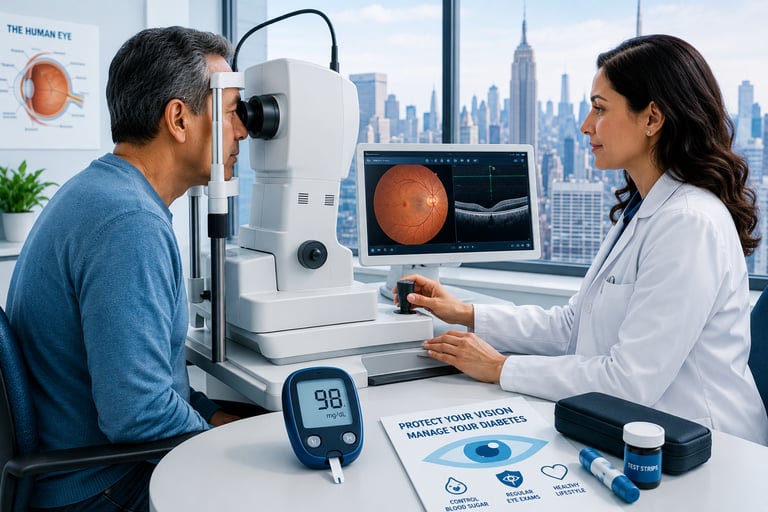
Diabetes affects the eyes by damaging small blood vessels in the retina and other parts of the eye. Over time, high blood sugar levels weaken these vessels, causing leakage, swelling, poor circulation, and even permanent vision loss.
This process often develops slowly, which is why many people don’t notice symptoms until the condition becomes more advanced.
Why High Blood Sugar Damages Vision
When blood glucose remains elevated:
Blood vessels become inflamed
Retinal tissue receives less oxygen
Fluid can leak into the eye
Nerve damage may occur
Eye pressure can increase
Even temporary spikes in blood sugar may cause blurry vision.
For NYC residents balancing stressful schedules, irregular meals, and long commutes, maintaining stable glucose levels can be especially challenging.
Common Eye Conditions Caused by Diabetes
Several serious eye diseases are linked to diabetes.
Diabetic Retinopathy
Diabetic retinopathy is one of the leading causes of blindness in adults.
It occurs when damaged blood vessels in the retina begin to:
Leak blood or fluid
Swell
Close off circulation
Grow abnormally
Early Symptoms May Include
Blurry vision
Floaters
Dark spots
Difficulty seeing at night
Fluctuating vision
Some people experience no symptoms during the early stages.
Diabetic Macular Edema (DME)
Macular edema occurs when fluid builds up in the macula, the area of the retina responsible for sharp central vision.
This can lead to:
Distorted vision
Difficulty reading
Trouble recognizing faces
Loss of detail
Cataracts
People with diabetes often develop cataracts earlier than non-diabetics.
Symptoms may include:
Cloudy vision
Light sensitivity
Faded colors
Difficulty driving at night
Glaucoma
Diabetes can increase pressure inside the eye, damaging the optic nerve.
Without treatment, glaucoma may lead to permanent blindness.
What Are the Early Warning Signs?
Recognizing symptoms early is critical.
Common Signs of Diabetic Eye Problems
Blurred vision
Sudden vision changes
Eye pain or pressure
Floaters or flashes
Difficulty focusing
Dark or empty spots in vision
Trouble seeing at night
Some symptoms may come and go depending on blood sugar fluctuations.
How Blood Sugar Control Protects Eye Health
One of the most effective ways to reduce eye complications is maintaining stable glucose levels.
Why Monitoring Matters
Consistent glucose monitoring helps reduce:
Blood vessel damage
Inflammation
Vision fluctuations
Long-term retinal injury
Many patients use:
Diabetic test strips
Glucose meters
Continuous glucose monitors (CGMs)
Can Diabetic Eye Damage Be Reversed?
This depends on the severity and how early the condition is detected.
Early Stages
In some cases, improving blood sugar control may reduce swelling and slow progression.
Advanced Stages
More severe complications may require:
Laser treatment
Eye injections
Surgery
Ongoing retinal care
The earlier diabetic eye disease is identified, the better the outcome usually is.
Who Is Most at Risk?
Certain factors increase the likelihood of diabetic eye complications.
Higher-Risk Groups Include
People with uncontrolled diabetes
Long-term diabetics
Smokers
Individuals with high blood pressure
Patients with high cholesterol
Pregnant women with diabetes
Many NYC residents face additional challenges like stress, lack of sleep, and inconsistent eating habits, which may make glucose management more difficult.
How Often Should Diabetics Get Eye Exams?
Routine eye exams are one of the most important preventive measures.
Recommended Frequency
Many healthcare professionals recommend:
Annual dilated eye exams
More frequent monitoring for high-risk patients
Eye specialists can often detect diabetic damage before noticeable symptoms develop.
Case Study Placeholder
A 51-year-old NYC resident with Type 2 diabetes began experiencing occasional blurry vision while working long hours in Manhattan.
After delaying an eye exam for over two years, he was diagnosed with early diabetic retinopathy.
What Changed
He began:
Daily glucose monitoring
Walking after meals
Improving meal consistency
Regular ophthalmology visits
Results After 8 Months
Blood sugar improved
Vision stabilized
Retinal damage progression slowed
Reduced risk of severe complications
Key Takeaway
Early detection and consistent diabetes management can help protect long-term vision.
Disclaimer
Results vary by individual. Always consult qualified medical professionals for diagnosis and treatment.
Lifestyle Habits That Support Eye Health
Healthy daily habits can significantly reduce diabetic eye complications.
Important Prevention Strategies
Maintain stable blood sugar
Monitor A1C regularly
Control blood pressure
Avoid smoking
Exercise consistently
Eat nutrient-rich foods
Prioritize sleep
Even moderate lifestyle improvements can positively impact eye health over time.
Diabetes Supplies Commonly Used for Monitoring
Managing diabetes often requires regular monitoring tools such as:
Test strips
Lancets
CGMs
Glucose meters
Insulin delivery systems
As treatment plans change, many individuals end up with unused diabetic supplies.
What NYC Residents Should Know About Managing Diabetes
Living in New York City creates unique health challenges:
Fast-paced schedules
High stress
Long work hours
Frequent dining out
But NYC also offers advantages:
Walkable neighborhoods
Access to specialists
Fitness opportunities
Advanced diabetes care resources
Simple daily habits like:
Walking after meals
Meal planning
Consistent glucose monitoring
can make a major difference in protecting both overall health and vision.
What to Do With Unused Diabetic Supplies
Many people eventually have extra:
Test strips
CGMs
Lancets
Monitoring supplies
Instead of letting them expire, many NYC residents choose to sell unopened diabetic supplies.
Benefits of Selling Extra Supplies
Earn extra cash
Reduce waste
Help others access affordable supplies
Frequently Asked Questions About How Diabetes Affects the Eyes
Can diabetes cause blindness?
Yes. Uncontrolled diabetes can lead to serious eye diseases that may cause permanent vision loss.
Is blurry vision always caused by diabetes?
Not always, but fluctuating blood sugar commonly causes temporary blurry vision.
Can lowering blood sugar improve eyesight?
In some cases, stabilizing blood sugar may reduce swelling and improve vision fluctuations.
How long does it take for diabetes to damage the eyes?
Damage may develop gradually over years, especially when blood sugar remains uncontrolled.
What is the most common diabetic eye disease?
Diabetic retinopathy is among the most common and serious complications.