Who Diabetes in Pregnancy Guidelines: Gestational Diabetes Tips for NYC Residents
Learn the Who diabetes in pregnancy guidelines, including gestational diabetes screening, blood sugar management, diet, exercise, and pregnancy safety tips for NYC residents.
5/11/20264 min read
Who Diabetes in Pregnancy Guidelines: What NYC Residents Need to Know
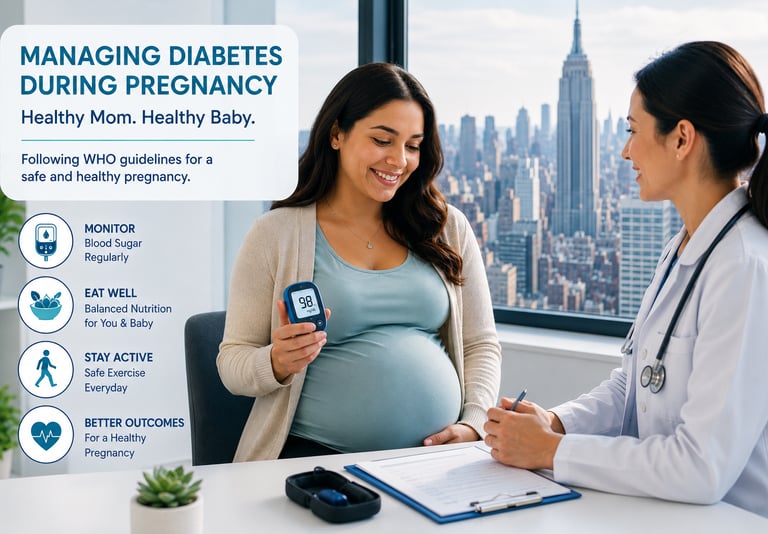
Pregnancy can already feel overwhelming—but when diabetes enters the picture, many women and families in New York City start searching for reliable, medically accurate guidance. One of the most searched topics today is the WHO diabetes in pregnancy guidelines, and for good reason.
The World Health Organization (WHO) provides internationally recognized recommendations for managing diabetes during pregnancy, helping reduce risks for both mother and baby.
Whether you have preexisting diabetes, gestational diabetes, or are at higher risk due to family history or lifestyle factors, understanding these guidelines can help you make informed decisions throughout pregnancy.
Understanding Diabetes During Pregnancy
Diabetes during pregnancy generally falls into two categories:
Preexisting Diabetes
This includes:
Type 1 diabetes
Type 2 diabetes
Women already diagnosed before pregnancy require close monitoring because pregnancy changes how the body responds to insulin.
Gestational Diabetes
Gestational diabetes develops during pregnancy, usually in the second or third trimester. Hormonal changes can increase insulin resistance, leading to elevated blood sugar levels.
According to global health experts, gestational diabetes is becoming increasingly common due to:
Rising obesity rates
Sedentary lifestyles
Older maternal age
Increased Type 2 diabetes prevalence
For many NYC residents with busy schedules and high stress levels, managing blood sugar during pregnancy requires consistent lifestyle adjustments and medical supervision.
What Are the Who Diabetes in Pregnancy Guidelines?
The WHO diabetes in pregnancy guidelines focus on:
Early diagnosis
Blood sugar monitoring
Nutrition
Physical activity
Safe pregnancy outcomes
Long-term maternal health
The primary goal is to reduce complications such as:
High birth weight
Preterm birth
Preeclampsia
Cesarean delivery
Neonatal hypoglycemia
Who Recommendations for Gestational Diabetes Screening
When Should Pregnant Women Be Tested?
Who recommends screening during pregnancy for women at risk of gestational diabetes.
Common risk factors include:
Family history of diabetes
Being overweight or obese
Previous gestational diabetes
Previous large baby
Polycystic ovary syndrome (PCOS)
Testing often occurs between:
24–28 Weeks of Pregnancy
However, high-risk individuals may require earlier testing.
Blood Sugar Targets During Pregnancy
Maintaining healthy glucose levels is critical during pregnancy.
Typical target ranges may include:
Fasting glucose below recommended thresholds
Controlled post-meal blood sugar
Stable overnight glucose levels
Because pregnancy hormones fluctuate constantly, blood sugar can become more difficult to manage—even for women previously well-controlled.
This is why many patients rely heavily on:
Glucose monitoring
Diabetic test strips
Continuous glucose monitors (CGMs)
Nutrition Guidelines for Diabetes in Pregnancy
Focus on Blood Sugar Stability
WHO recommendations emphasize balanced nutrition rather than extreme dieting.
Key dietary principles include:
Limiting processed sugars
Prioritizing fiber-rich foods
Eating balanced carbohydrates
Monitoring portion sizes
Avoiding blood sugar spikes
Foods Often Recommended
Vegetables
Lean proteins
Whole grains
Healthy fats
Low-glycemic fruits
Foods Often Limited
Sugary drinks
Highly processed snacks
Excess refined carbohydrates
For NYC residents constantly eating on the go, meal planning becomes especially important.
Exercise Recommendations During Pregnancy
Physical activity plays a major role in improving insulin sensitivity during pregnancy.
Safe exercises commonly recommended include:
Walking
Prenatal yoga
Swimming
Light resistance training
Why Exercise Helps
Exercise can:
Lower blood sugar naturally
Reduce insulin resistance
Improve circulation
Support healthy weight gain
Reduce stress
Even short daily walks around NYC neighborhoods can significantly improve glucose control.
Risks of Uncontrolled Diabetes During Pregnancy
Poorly managed diabetes can increase complications for both mother and baby.
Maternal Risks
High blood pressure
Preeclampsia
Difficult delivery
Increased C-section risk
Baby Risks
Excessive birth weight
Breathing problems
Low blood sugar after birth
Higher future diabetes risk
This is why consistent monitoring and medical guidance are essential throughout pregnancy.
Case Study Placeholder
A 34-year-old NYC resident diagnosed with gestational diabetes during her second trimester began:
Daily glucose monitoring
Moderate walking after meals
Nutrition counseling
Weekly prenatal follow-ups
Results After 10 Weeks
Blood sugar stabilized
Healthy pregnancy weight maintained
Reduced need for medication
Delivered a healthy full-term baby
Key Takeaway
Consistency and early intervention often make the biggest difference.
Disclaimer
Individual outcomes vary. Always consult your healthcare provider.
Diabetes Supplies Often Used During Pregnancy
Managing diabetes during pregnancy frequently requires additional supplies, including:
Test strips
Lancets
Glucose meters
CGMs
Insulin delivery systems
Many individuals later find themselves with unused diabetic supplies after pregnancy ends or treatment plans change.
What NYC Residents Should Know About Diabetes Management
Living in New York City creates unique challenges:
Long commutes
High stress
Limited time
Irregular meals
But NYC also offers advantages:
Walkable neighborhoods
Access to healthcare
Fitness facilities
Specialized diabetes care
Simple habits like:
Walking after meals
Meal prepping
Monitoring glucose consistently
can significantly improve outcomes during pregnancy.
What to Do With Unused Diabetic Supplies After Pregnancy
Many women diagnosed with gestational diabetes temporarily use:
Test strips
CGMs
Lancets
Monitoring devices
After pregnancy, these supplies may no longer be needed.
Instead of throwing them away, many NYC residents choose to sell unopened diabetic supplies.
Benefits Include
Extra cash
Reduced waste
Helping others access affordable supplies
Common Questions About WHO Diabetes in Pregnancy Guidelines
Can gestational diabetes go away after pregnancy?
Yes. In many cases, blood sugar returns to normal after delivery. However, women with gestational diabetes have a higher future risk of developing Type 2 diabetes.
Is exercise safe during pregnancy with diabetes?
In most cases, yes. Moderate exercise is commonly recommended, but patients should always follow medical guidance.
What is the best diet for gestational diabetes?
A balanced diet focused on blood sugar control, fiber, lean proteins, and controlled carbohydrates is typically recommended.
How often should blood sugar be checked during pregnancy?
This depends on the severity of diabetes and medical recommendations. Some women monitor several times daily.
Can gestational diabetes harm the baby?
If uncontrolled, it can increase risks. Proper monitoring and treatment greatly reduce complications.
Final Thoughts: Managing Diabetes in Pregnancy Requires Consistency
The WHO diabetes in pregnancy guidelines provide an important framework for helping mothers and babies stay healthy during pregnancy.
The Most Important Takeaway
Early intervention, consistent monitoring, proper nutrition, and regular physical activity can dramatically improve outcomes.
For NYC residents managing diabetes during pregnancy, staying proactive and informed is essential.
Have Extra Diabetic Supplies After Pregnancy?
If you have unused:
Test strips
CGMs
Lancets
Diabetes monitoring supplies
You may be able to turn them into cash instead of letting them expire.
Why NYC Residents Choose to Sell Their Supplies
Fast quotes
Competitive payouts
Safe local process
Simple transactions
Ready to See What Your Diabetic Supplies Are Worth?
Check what products we buy and learn how the process works today